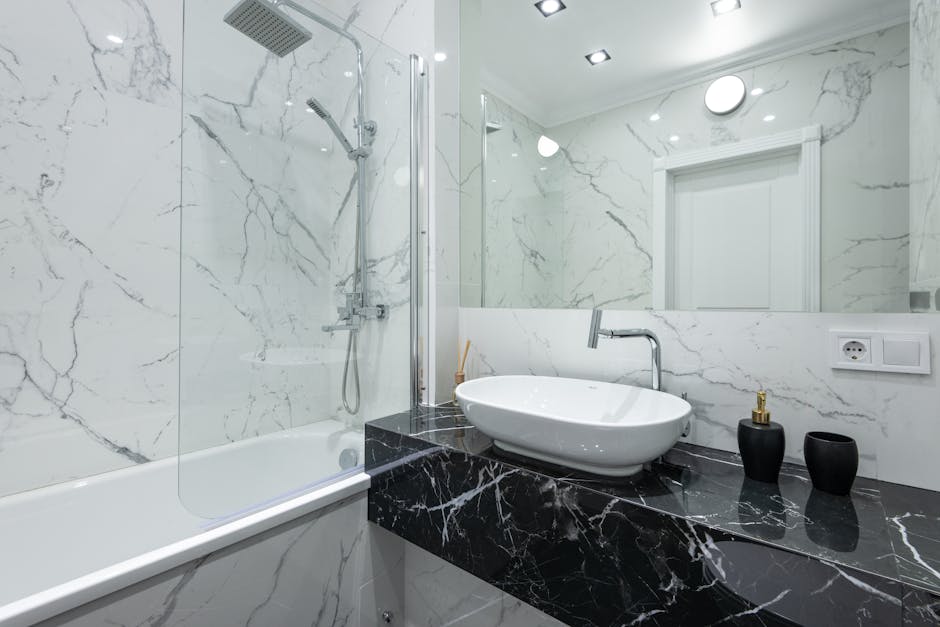
Are you planning a bathroom upgrade in Austin? Understanding building codes bathroom remodels Austin require is crucial to ensure your project meets local safety and quality standards. Austin’s building codes regulate everything from plumbing and electrical work to ventilation and waterproofing in bathroom remodels.
Ignoring these codes can lead to costly delays, failed inspections, or even unsafe conditions like mold growth or water damage. Homeowners looking for a successful remodel should expect to navigate requirements set by the City of Austin, including permits and compliance with the International Residential Code (IRC) as adopted locally.
Professional contractors familiar with Austin’s building codes for bathroom remodels can help ensure that your renovation is both beautiful and compliant. Getting matched with vetted contractors via our can simplify this process and protect your investment in one of the most important rooms in your home.
Why It Matters in Austin, TX
Understanding Austin building codes for bathroom remodels is crucial due to the city's unique climate and rapidly evolving building regulations. Local codes ensure that plumbing systems and ventilation meet standards designed to prevent issues like mold growth and water damage, which are common concerns in Austin's humid environment.
Compliance also protects homeowners from costly permit violations and potential remodel delays. Homeowners looking to upgrade their bathrooms in Austin should prioritize adherence to these codes to guarantee safety, durability, and long-term value of their investment.
Key Building Code Requirements for Bathroom Remodels in Austin
Homeowners looking to undertake a bathroom remodel in Austin must navigate several essential building codes designed to ensure safety, functionality, and compliance with local regulations. These codes address critical aspects such as plumbing systems, electrical installations, ventilation, and moisture control to prevent issues like water damage and mold growth.
One key requirement involves the installation of proper ventilation systems. Austin building codes typically mandate that bathrooms have either an operable window or a mechanical exhaust fan vented to the exterior.
This is crucial for controlling humidity levels and minimizing the risk of mold growth, which can result from inadequate air circulation during and after a remodel.
Essential Austin Bathroom Remodel Code Elements
- Plumbing Fixtures: Must comply with Austin’s water efficiency standards, including the use of low-flow toilets, faucets, and showerheads to reduce water consumption.
- Electrical Safety: Ground-fault circuit interrupter (GFCI) outlets are required near all water sources to protect against electrical shock.
- Clearance and Accessibility: Minimum clearances around fixtures must be maintained to meet local code requirements, ensuring safe and comfortable use.
- Moisture Barriers: Proper installation of moisture-resistant materials in wet areas helps prevent water damage and supports long-term durability.
Professional companies in Austin usually emphasize adherence to these building codes to avoid costly repairs and ensure a successful bathroom upgrade. By understanding these core requirements, homeowners can better prepare for their projects and select qualified contractors familiar with Austin’s specific code landscape.
Permitting Process and Inspections for Bathroom Remodels in Austin
Homeowners undertaking a bathroom remodel in Austin must navigate a structured permitting process managed by the City of Austin Development Services. Securing the appropriate permit is a critical step to ensure the remodel complies with local building codes, particularly those addressing plumbing systems, electrical work, and structural changes.
The permit application typically requires detailed plans outlining the scope of the bathroom remodel, including fixture placements and any modifications to existing systems. Contractors familiar with Austin building regulations often assist in preparing these documents to prevent delays.
Once submitted, the city reviews the plans to verify compliance with codes bathroom standards, mitigating risks such as water damage and mold growth.
Inspection Milestones During the Remodel
After obtaining the permit, several mandatory inspections occur at key stages of the project. These usually include:
- Rough-in inspection: Conducted before walls and floors are closed, focusing on plumbing and electrical rough-ins to ensure proper installation.
- Framing inspection: Verifies structural elements meet code requirements, critical for preventing issues like settlement.
- Final inspection: Confirms all fixtures, finishes, and systems comply with approved plans and safety standards.
Failure to pass any inspection can result in work stoppages or additional corrective measures. Therefore, homeowners looking for a smooth remodeling experience should engage contractors well-versed in Austin’s permitting and inspection protocols to prevent costly setbacks and ensure the project adheres to all local regulations.
Common Mistake to Avoid
One frequent error homeowners in Austin make when tackling bathroom remodels is neglecting to verify compliance with Austin building codes. Skipping this step can lead to costly water damage, mold growth, and failed inspections.
Ensuring that all plumbing and electrical work meets local standards is essential to avoid these risks and ensure a safe, durable bathroom upgrade.
Common Building Code Violations in Austin Bathroom Remodels and How to Avoid Them
Homeowners undertaking a bathroom remodel in Austin often encounter frequent code violations that can delay projects or result in costly corrections. Common issues include improper ventilation installation, inadequate electrical grounding, and non-compliant plumbing venting.
These violations typically stem from misunderstanding Austin's building codes or hiring contractors not fully versed in local regulations.
To avoid these pitfalls, it is crucial to ensure that all ventilation fans meet the minimum airflow requirements and exhaust directly outside, reducing risks of mold growth and water damage. Similarly, electrical work must adhere to Austin's electrical codes, including proper GFCI protection near wet areas to prevent shock hazards.
Plumbing systems require correct vent sizing and placement to maintain drainage efficiency and prevent sewer gas intrusion, both common sources of code violations.
Practical Tips to Prevent Common Violations
- Consult contractors familiar with Austin codes to ensure compliance with local plumbing and electrical requirements.
- Verify ventilation specifications meet code mandates, especially regarding fan capacity and exhaust routing.
- Use approved materials and fixtures designed for bathroom environments to minimize moisture-related damage.
- Schedule inspections at key project stages to catch and correct potential violations early.
- Document all work thoroughly, providing clear evidence of code adherence for final approval.
By proactively addressing these common Austin code violations, homeowners can streamline their bathroom remodels, reduce rework costs, and ensure their upgrades conform to safety and quality standards. Engaging professionals knowledgeable about Austin's unique building environment is a key step toward a successful, compliant renovation.
Energy Efficiency and Accessibility Standards in Austin Bathroom Remodels
Bathroom remodels in Austin must comply with local energy efficiency standards designed to reduce water usage and improve overall sustainability. These requirements typically include installing low-flow faucets, showerheads, and toilets that meet the city’s water conservation goals.
Homeowners looking to enhance their bathrooms should expect contractors familiar with Austin’s energy codes to recommend fixtures that balance performance with regulatory compliance, minimizing water waste and lowering utility costs.
In addition to water-saving measures, Austin’s building codes also address lighting efficiency. Bathroom remodels often require upgrading to LED lighting or other energy-efficient alternatives that comply with the city’s standards for electrical work. This reduces energy consumption and supports Austin’s broader environmental initiatives.
Accessibility Requirements in Austin Bathroom Remodels
Austin enforces specific accessibility standards aligned with the Americans with Disabilities Act (ADA) and local amendments to ensure bathrooms are usable by individuals with mobility challenges. Key features include adequate clearance space around fixtures, installation of grab bars, and accessible shower designs.
Contractors familiar with Austin codes typically incorporate these elements during remodels to meet legal requirements and improve safety.
Homeowners planning a bathroom remodel in Austin should anticipate adherence to these accessibility provisions, especially in multi-family or public housing contexts. Ensuring compliance not only meets city regulations but also enhances the long-term value and usability of the bathroom space.
Understanding Austin's Building Codes for Bathroom Remodels: Cost and Timeline Breakdown
| Service Type | Cost Range | Typical Timeline |
|---|---|---|
| Permitting and Plan Review | $300 - $1,200 | 2 - 4 weeks |
| Plumbing System Upgrades | $1,500 - $7,000 | 3 - 7 days |
| Electrical Work and Compliance | $800 - $3,500 | 2 - 5 days |
| Waterproofing and Mold Prevention | $500 - $2,500 | 1 - 3 days |
| Inspection Fees and Final Approval | $150 - $400 | 1 - 2 weeks |
Frequently Asked Questions
What are the key plumbing requirements for bathroom remodels in Austin?
Bathroom remodels in Austin must comply with plumbing systems codes that regulate fixture spacing, venting, and drainage. Contractors familiar with Austin typically ensure water supply lines and drainage pipes meet local standards to prevent water damage and support efficient operation.
How do electrical codes impact bathroom remodels in Austin?
Electrical work in Austin bathroom remodels requires adherence to codes covering GFCI outlets, lighting, and wiring methods. Local codes aim to reduce risks like electrical hazards and ensure safe installation near wet areas. Contractors familiar with Austin understand these requirements thoroughly.
Are there specific ventilation requirements for bathroom remodels in Austin?
Yes, Austin building codes mandate proper ventilation systems to minimize mold growth and moisture accumulation. Exhaust fans must meet capacity standards and vent outside to reduce humidity-related issues. Homeowners looking for remodels should confirm contractors address these ventilation mandates.
What common mistakes cause building code violations in bathroom remodels?
Frequent violations include improper fixture spacing, inadequate ventilation, and incorrect electrical installations. Ignoring these can lead to inspection failures, costly rework, and potential safety hazards. Professional companies in Austin usually emphasize code compliance to avoid such issues.
How do Austin building codes address water damage prevention in bathroom remodels?
Austin codes require use of water-resistant materials and proper sealing around wet areas to prevent water damage. Contractors familiar with Austin also implement waterproofing methods for showers and tubs to mitigate risks of growth water-related problems like mold growth. This is critical for long-term durability.
Homeowners looking to undertake bathroom remodels in Austin should prioritize compliance with Austin building codes to ensure safety, durability, and legal adherence. Understanding requirements related to plumbing systems, electrical work, and moisture control helps prevent risks like water damage and mold growth.
Engaging contractors familiar with codes bathroom remodel Austin ensures that remodels meet all local standards and reduce costly rework or violations.
Get matched with vetted Bathroom Remodel in Austin, TX via our -matching form to connect with licensed professionals who can guide your project from start to finish.